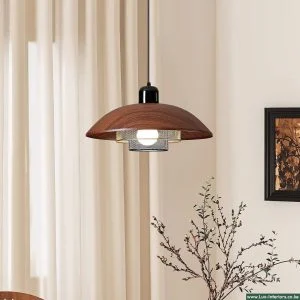
Lighting is often the most overlooked element of interior design, yet it is the one that has the most immediate impact on how a room feels.
In many contemporary Kenyan homes from the sleek apartments in Kilimani to the sprawling villas in Runda the kitchen and dining area serve as the heart of the home.
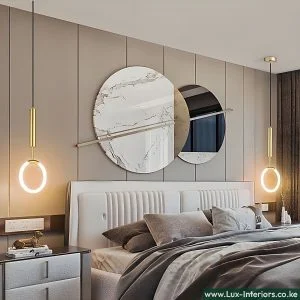
Pendant lights act as the “jewelry” of these spaces. Unlike recessed ceiling lights that provide general illumination, pendants provide focused task lighting and a strong visual anchor.
Whether you are looking to define a breakfast nook or create a sophisticated focal point over a mahogany dining table, the right pendant can transform a sterile room into a curated sanctuary.
At Lux-Interiors, we believe that lighting should be as functional as it is beautiful.
Choosing the Right Style for Your Aesthetic
The “perfect” light depends entirely on the mood you want to cultivate.
Because Kenyan interior trends currently lean towards a mix of minimalism and bold luxury, there are three primary directions you can take:
Industrial Modern
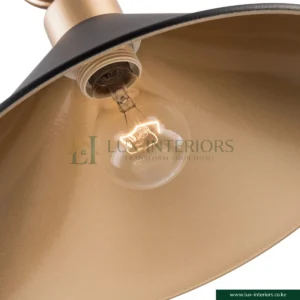
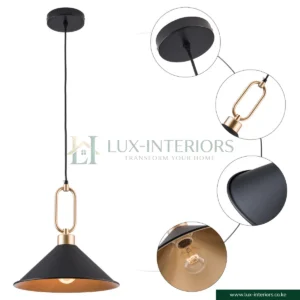
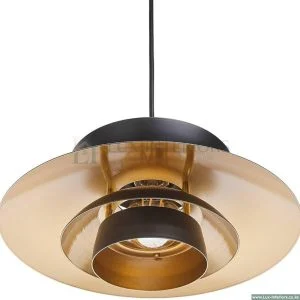
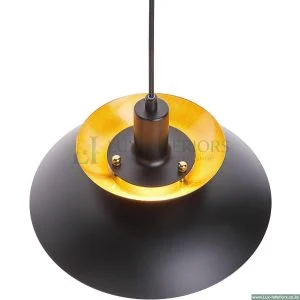
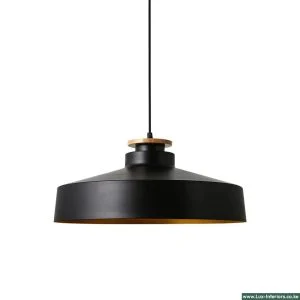
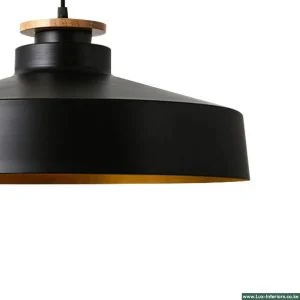
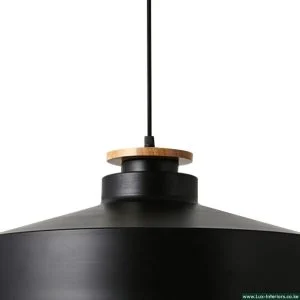
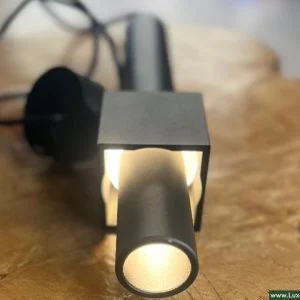
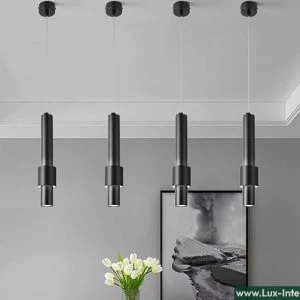
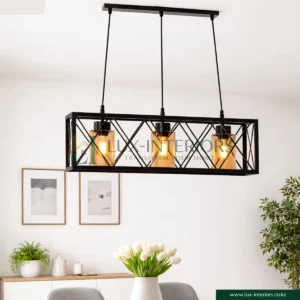
Characterized by raw materials, matte black finishes, and Edison bulbs, industrial pendants work exceptionally well in kitchens with concrete floors or exposed brick accents.
They provide a rugged yet sophisticated look that balances the “sharpness” of modern cabinetry.
Contemporary Minimalism
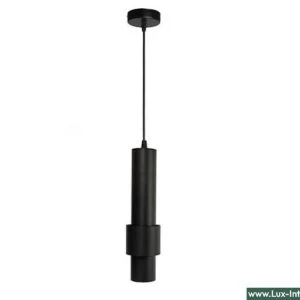
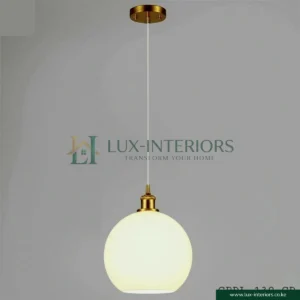
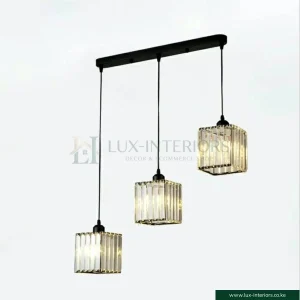
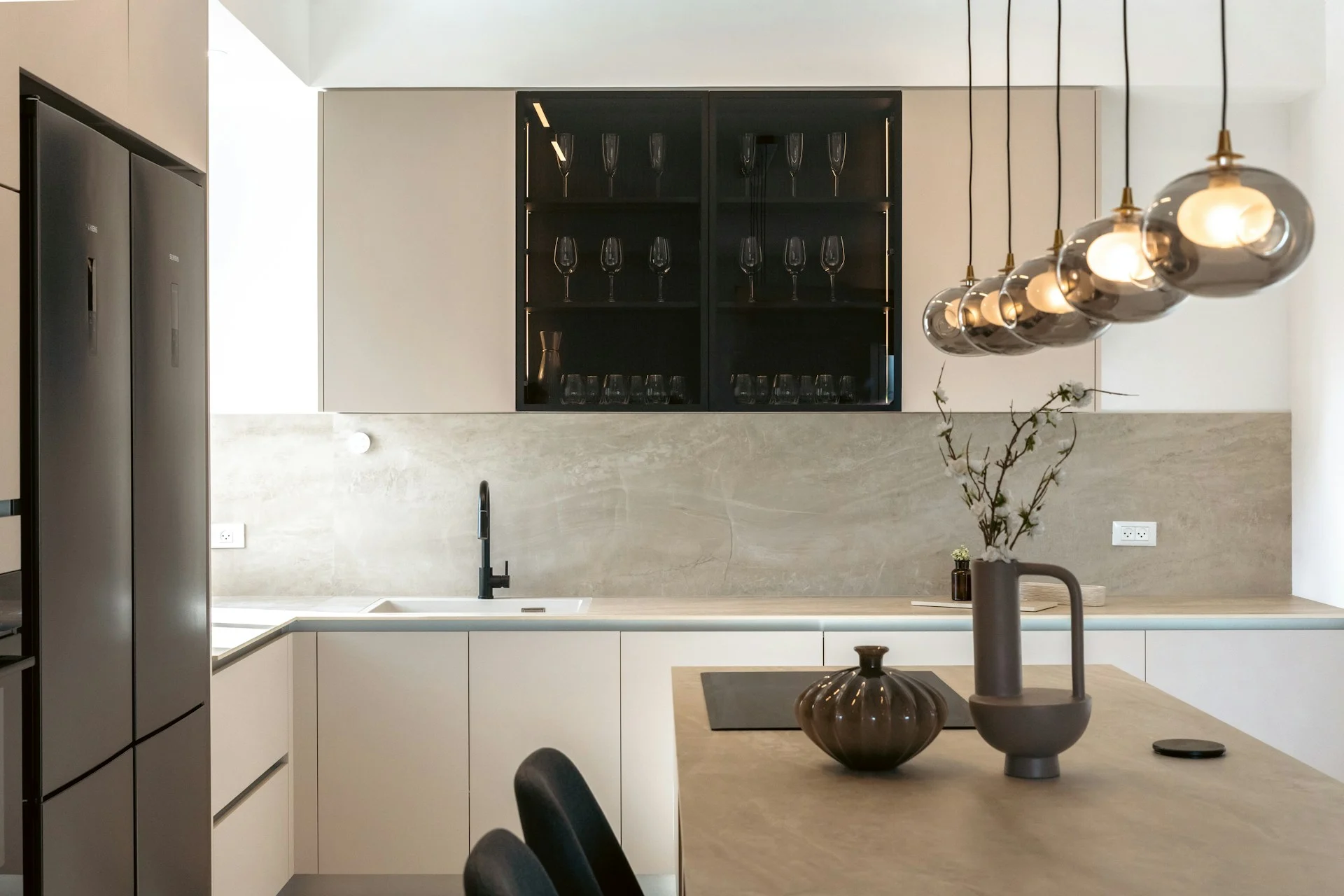
If your home features a monochromatic palette and clean lines, opt for geometric shapes or glass globes.
These fixtures provide a sense of airiness and don’t overwhelm the space, making them ideal for smaller kitchenettes where you want to maintain an open feel.
Timeless Luxury
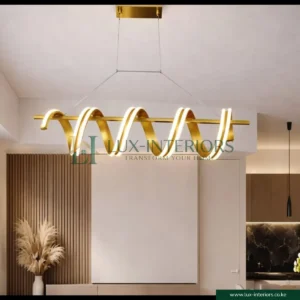
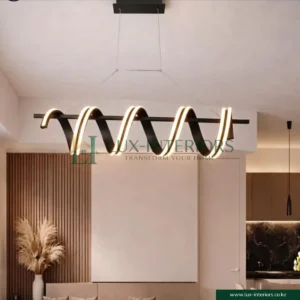
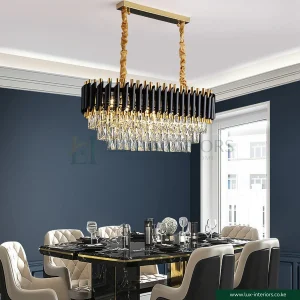
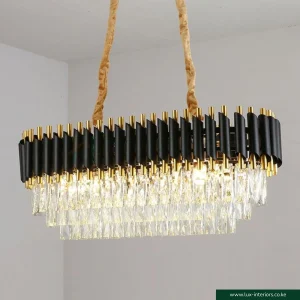
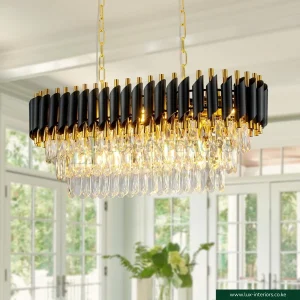
For those wanting a high-end, prestigious atmosphere, Chandeliers or crystal-accented pendants are the gold standard.
These are best suited for the dining area, where the goal is to create a sense of occasion for family dinners and hosting guests.
Expert Insight
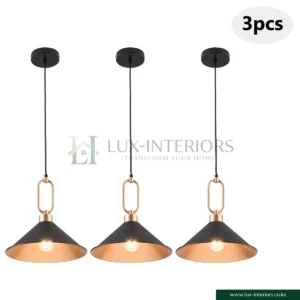
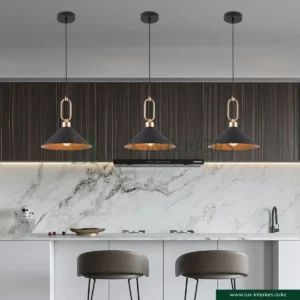
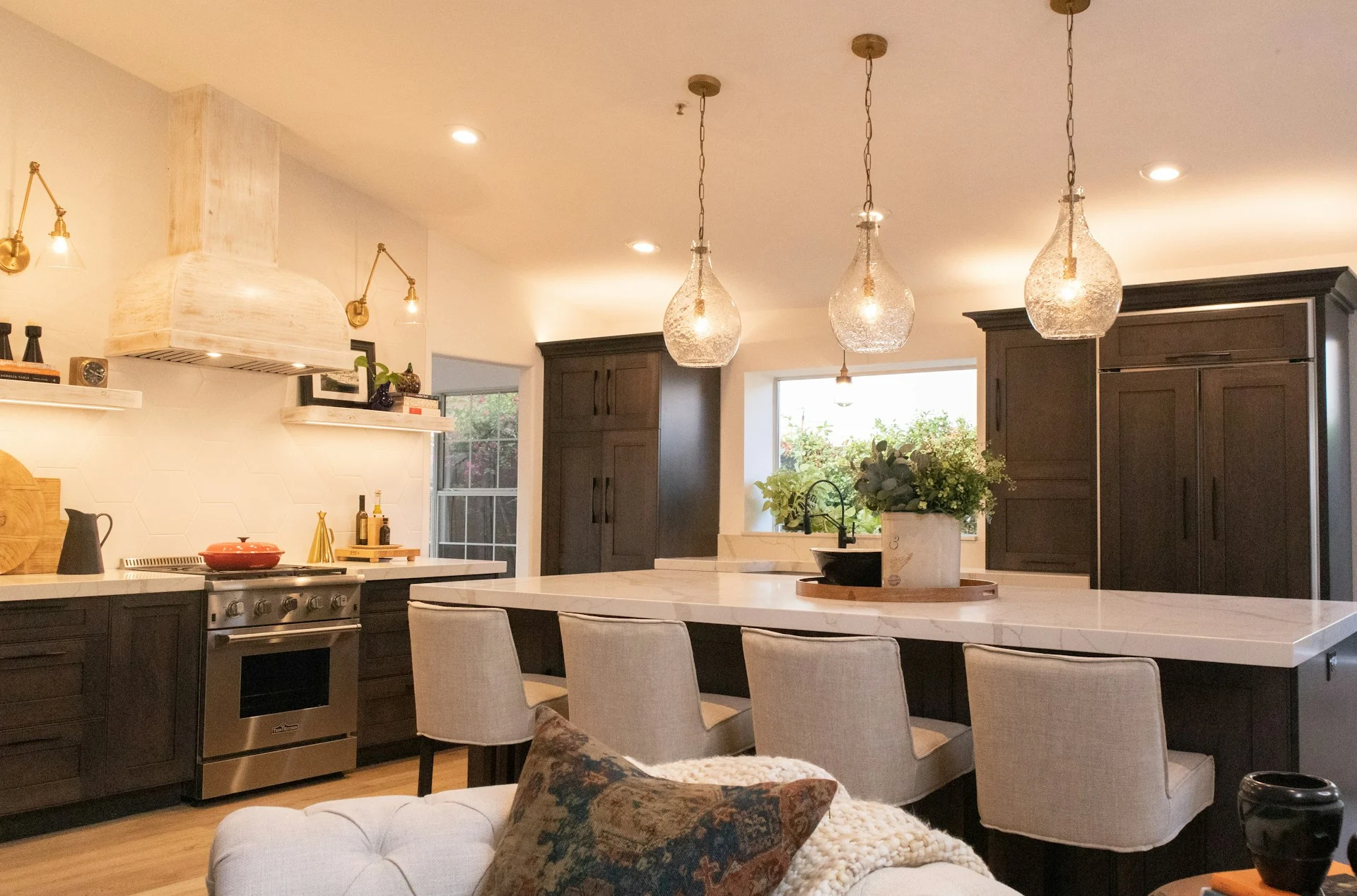
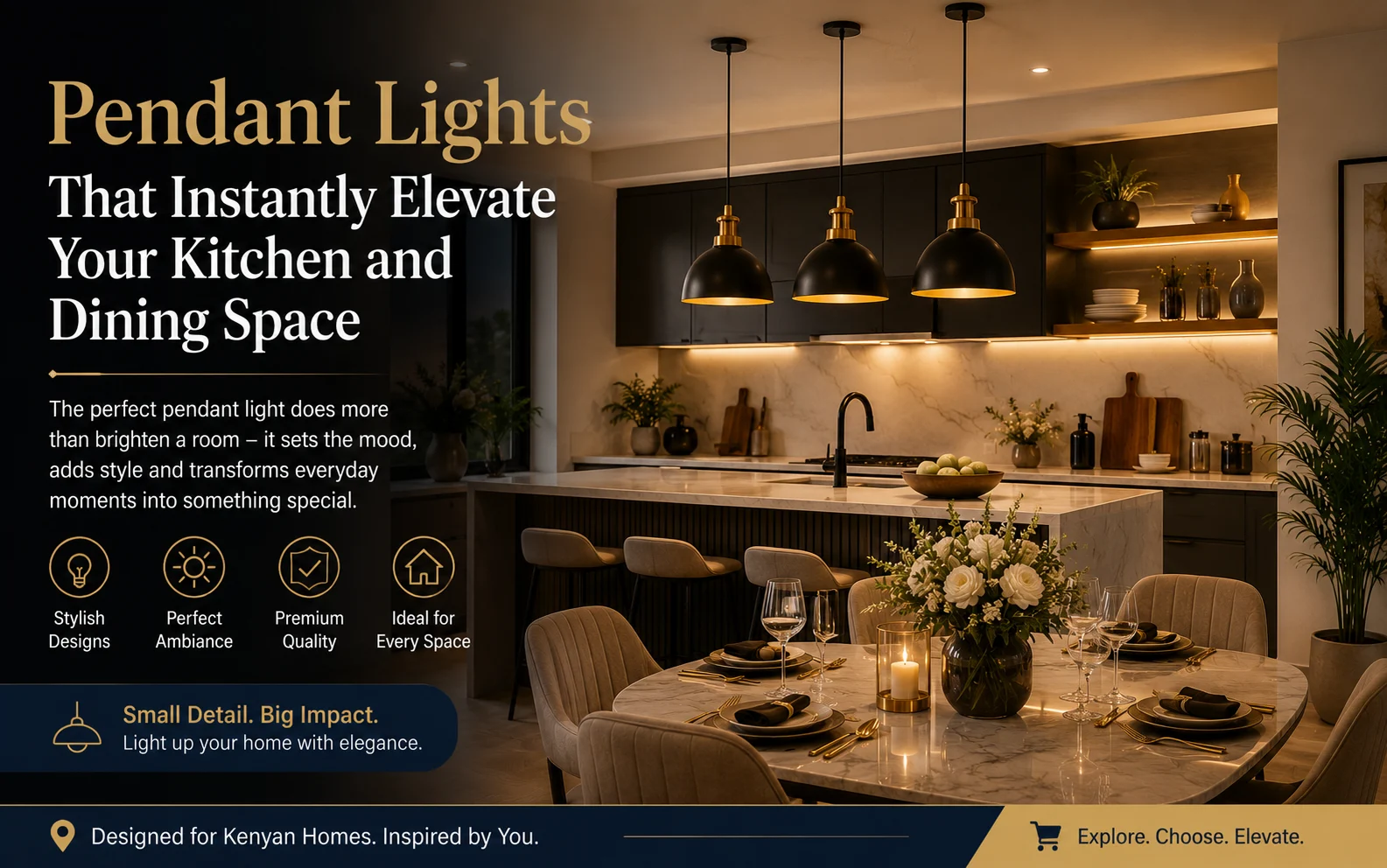
When selecting pendants for a kitchen island, avoid oversized shades that block the line of sight between the cook and the guests. Instead, use a series of three medium-sized pendants to create a rhythmic visual flow without obstructing the room’s openness. — Design Team at Lux-Interiors. Learn more about our design philosophy on our Editorial Author Profile.
Strategic Placement: Height and Spacing Rules
Even the most expensive light can look out of place if it is hung too high or too low. To achieve a professional look, follow these industry standards:
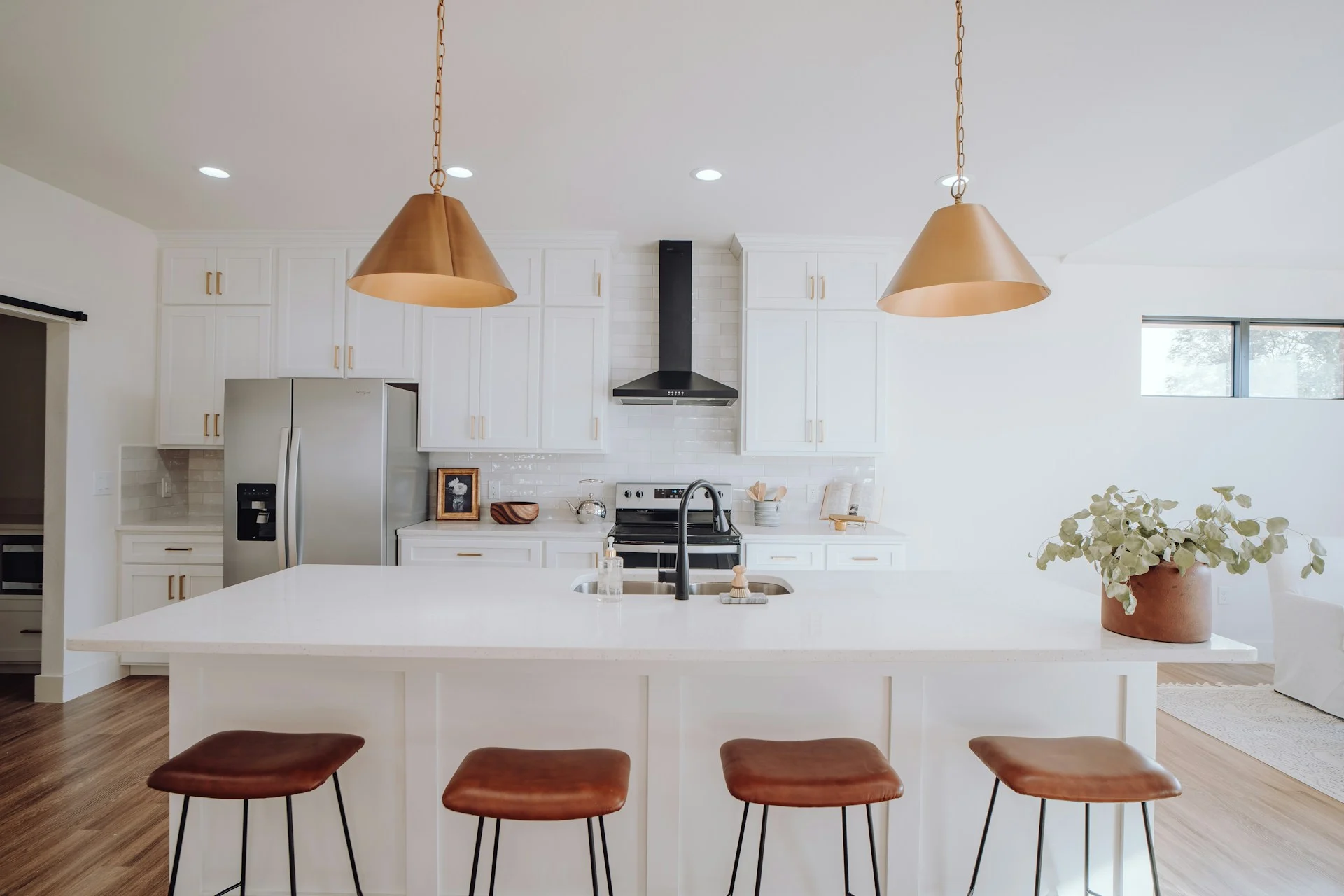
- The Golden Height: For kitchen islands or breakfast bars, the bottom of the pendant should typically sit 30 to 36 inches (approximately 76 to 91 cm) above the countertop.
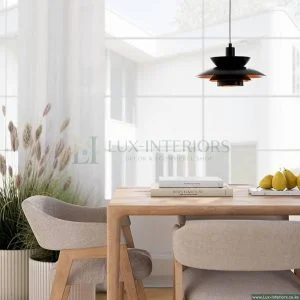
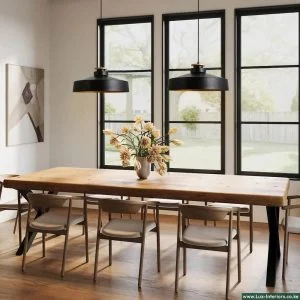
- The Dining Table Rule: Over a dining table, the light should hang roughly 30 to 34 inches above the table surface to ensure guests can see each other while eating without the bulb blinding them.
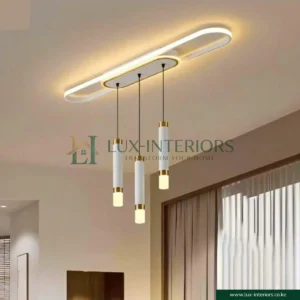
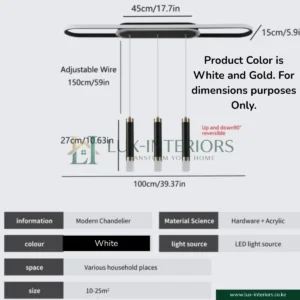
- The Rule of Three: In Kenyan open-plan layouts, we often see long islands. To avoid “dead spots” of light, use three pendants spaced evenly. Ensure there is at least 24 to 30 inches between each fixture to avoid a cluttered appearance.
Coordinating Lighting with Kitchen Fixtures
A truly cohesive design doesn’t stop at the ceiling. To achieve a premium finish, your Ceiling Lights should speak the same design language as your hardware.
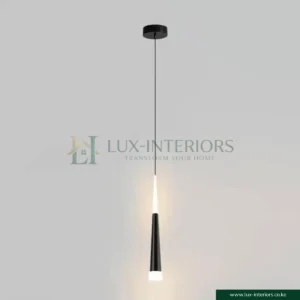
For instance, if you have chosen matte black industrial pendants, consider pairing them with a matte black pull-down tap and a matching undermount Kitchen Sinks in gunmetal or black granite.
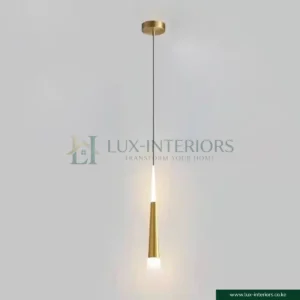
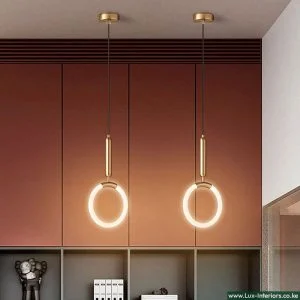
Conversely, if you have opted for gold or brass accents in your lighting, polished gold hardware on your cabinetry and a high-gloss quartz countertop will create a seamless, luxurious flow.
In the Kenyan climate, where we often deal with varying water quality from boreholes, we recommend pairing your high-end aesthetics with durable, easy-to-clean fixtures that resist limescale buildup, ensuring your kitchen stays as pristine as the day it was designed.
Creating Ambiance in the Dining Area
While the kitchen requires “task lighting” (bright and clear), the dining area requires “mood lighting.” This is where you can be more daring.
Instead of a single bright source, layer your lighting.
Use a stunning central pendant to anchor the table, but supplement it with warm wall sconces or a dimmable switch.
The ability to dim your lights is crucial for transitioning a space from a bright morning breakfast spot to an intimate evening dinner setting.
When choosing a pendant for the dining room, consider the scale of your table.
A pendant that is too small will look lost, while one that is too large will make the room feel cramped.
A general rule of thumb is that the fixture should be about 1/2 to 2/3 the width of the table.
Conclusion
Pendant lighting is more than just a utility; it is a design statement.
By choosing the right style, adhering to professional placement guidelines, and coordinating your fixtures, you can instantly elevate the perceived value and comfort of your home.
Whether you are renovating a single room or designing a new home from scratch, focusing on these details is what separates a standard house from a luxury residence.
FAQs
- Which light bulb temperature is best for kitchens?
For kitchens, a “cool white” or “neutral white” (3000K to 4000K) is best as it helps with food preparation and clarity. For dining areas, a “warm white” (2700K) is preferred to create a cozy, inviting atmosphere. - Can I mix different styles of pendant lights in one open-plan space?
Yes, but do so with a common thread. For example, you can mix a modern pendant in the kitchen with a more ornate one in the dining area, as long as they share a similar metal finish (e.g., both use brushed nickel) or a similar color palette. - How do I clean high-hanging pendant lights?
For glass pendants, a microfiber cloth and a mild vinegar-water solution work best. For fabric or textured shades, a handheld vacuum with a brush attachment is recommended to prevent dust buildup. - What is the best material for pendants in a humid kitchen?
Metal, glass, and high-quality ceramics are ideal. Avoid cheap plastics or untreated fabrics that can absorb grease and steam, which are common in active Kenyan kitchens. - Do I need a dimmer switch for my pendant lights?Absolutely. A dimmer switch allows you to control the mood of the room and extend the lifespan of your bulbs, making your space versatile for different times of the day.