Choosing the Right Sink for Your Kenyan Kitchen
The kitchen is often described as the heart of the home, and in a Kenyan household, it is the hub of activity from preparing elaborate weekend feasts to the daily rush of school lunches.
While much attention is given to cabinetry and countertops, the sink is the most hardworking element of the room.
Selecting the right sink is a balance between aesthetic luxury and rugged functionality.
Whether you are designing a minimalist apartment in Kilimani or a sprawling villa in Karen, your choice of Kitchen Sinks will dictate how you move, clean, and interact within your culinary space.
Kitchen Sink Mounting Styles
How a sink is installed into your countertop significantly affects both the look of your kitchen and how easily you can maintain it.
Undermount Sinks
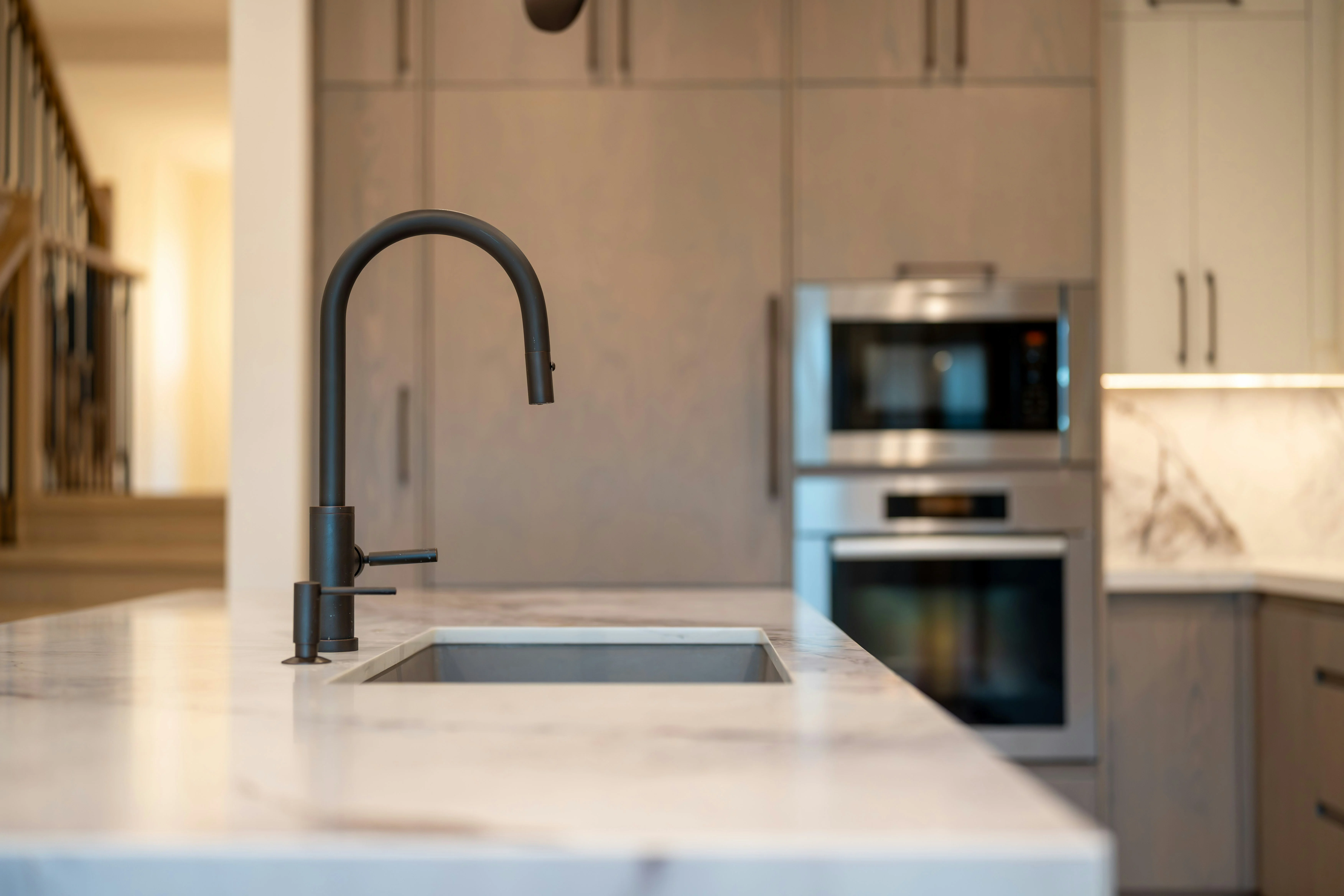
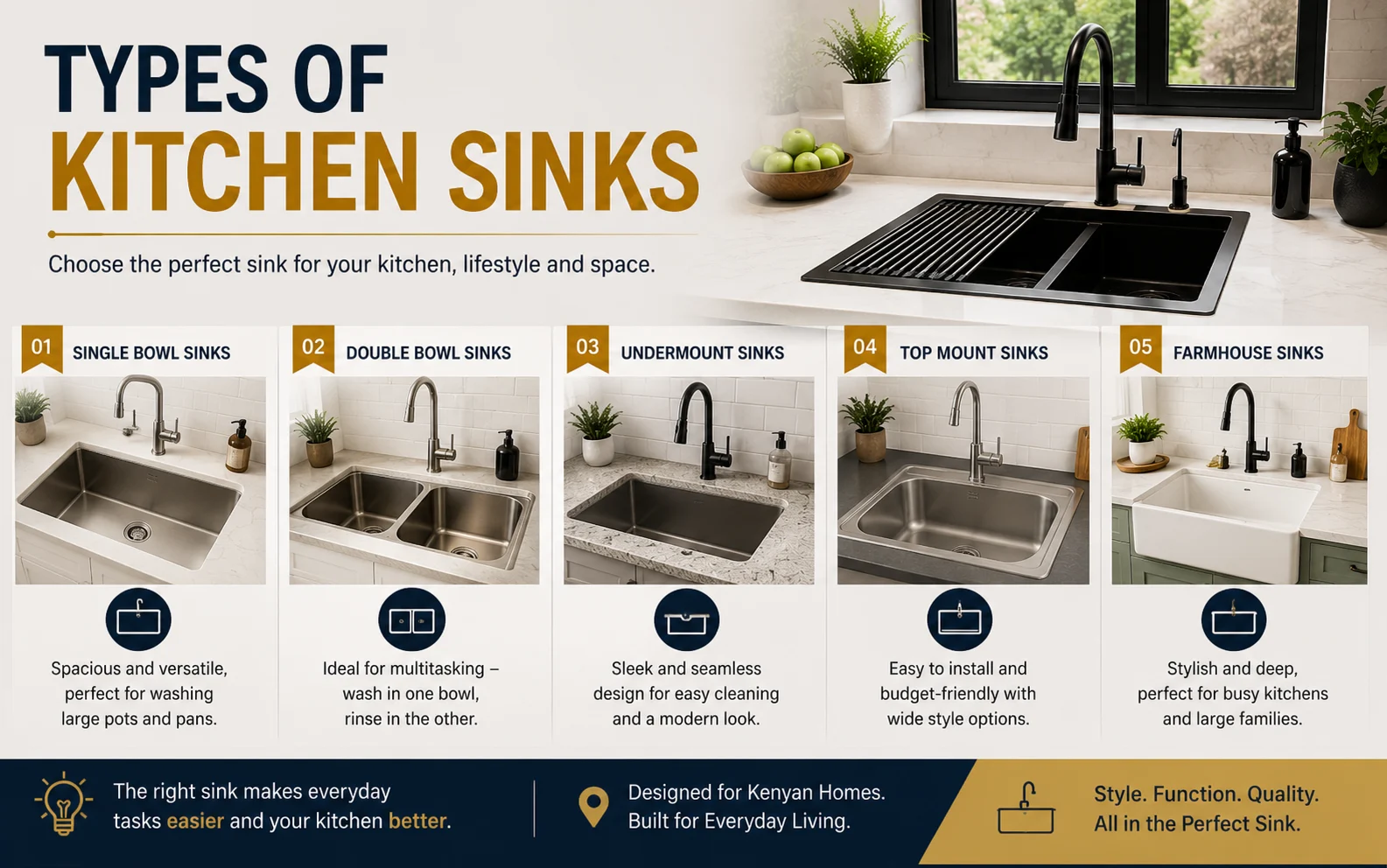
Undermount sinks are installed beneath the countertop, creating a seamless transition from the surface to the basin.
This is the preferred choice for premium homes using quartz or granite surfaces. The primary advantage is the ability to wipe crumbs and liquids directly into the sink without hitting a rim.
Top-Mount (Drop-in) Sinks
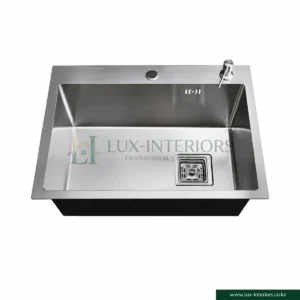
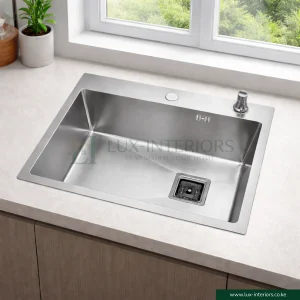
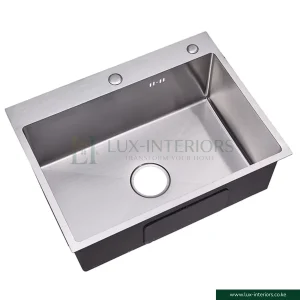
These sinks feature a rim that rests on top of the counter.
They are generally easier and more affordable to install, making them a popular choice for quick renovations.
While they lack the sleekness of undermounts, modern designs from Lux-Interiors have slimmed down these profiles to maintain a high-end feel.
Farmhouse (Apron-Front) Sinks
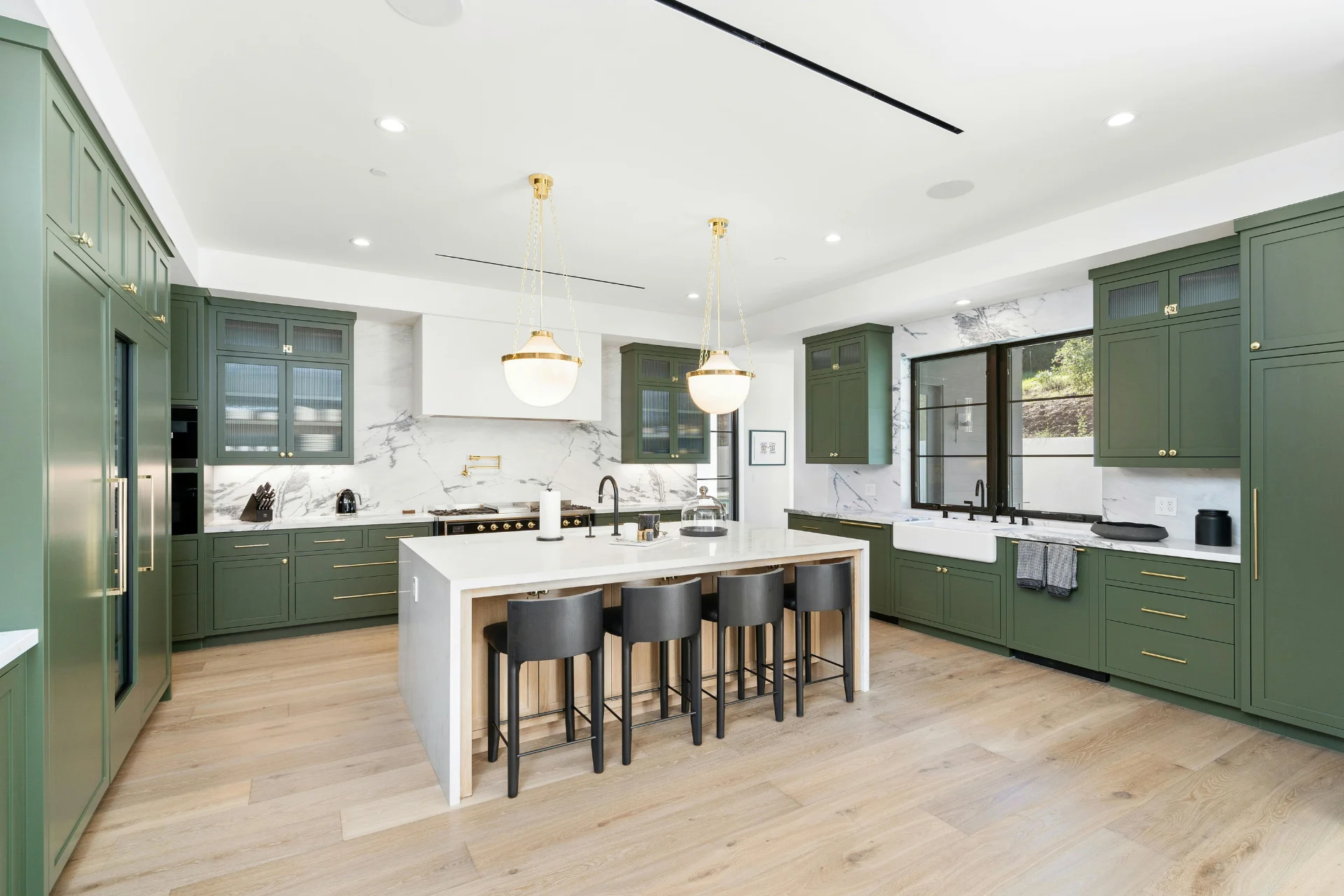
Characterized by a deep basin and a front panel that is exposed, farmhouse sinks are a bold design statement.
They offer significant depth, which is ideal for washing large pots and traditional cookware.
These sinks add a touch of “modern rustic” charm to any kitchen layout.
Vessel Sinks
While more common in bathrooms, vessel sinks are occasionally used in specialized wet bars or prep areas within luxury kitchens.
They sit entirely on top of the counter like a bowl, acting more as a piece of sculpture than a utility tool.
Expert Insight:
When installing an undermount sink in a kitchen with borehole water, ensure you choose a material with a high resistance to mineral buildup to avoid stubborn white scaling around the seam of the countertop.
Design Team at Lux-Interiors.
Essential Kitchen Sink Materials
The material of your sink determines its durability, noise level, and how it reacts to the harsh chemicals often found in cleaning agents.
Stainless Steel
The industry standard for a reason. Stainless steel is hygienic, heat-resistant, and durable.
For a premium finish, look for “gauge” thickness the lower the gauge, the thicker and quieter the steel.
Granite Composite
Made from a mix of crushed granite and acrylic resin, these sinks are incredibly scratch-resistant and available in various colors (such as charcoal or cream) to match your cabinetry.
They are particularly effective at masking water spots, which is a common struggle in regions with hard water.
Ceramic and Fireclay
Known for their timeless, clean white look, ceramic sinks are non-porous and easy to clean.
However, they can chip if a heavy cast-iron pot is dropped, so they are best suited for homeowners who prioritize aesthetics and gentle care.
Sink Configurations and Layouts
Beyond the material and mount, the physical layout of the basin changes how you work.
Single Bowl Sinks
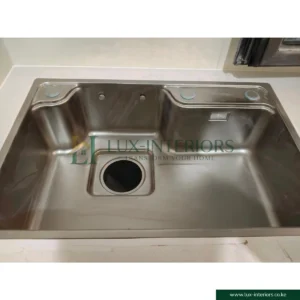
A large, single basin is the modern trend. It provides ample space for soaking oversized trays and pots without the obstruction of a divider.
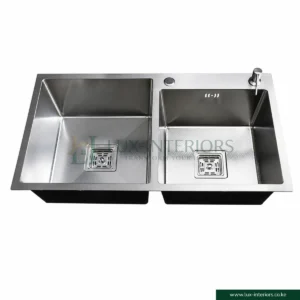
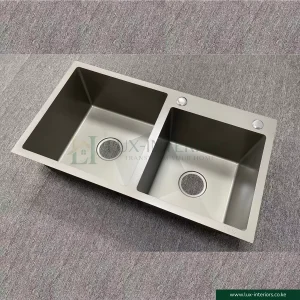
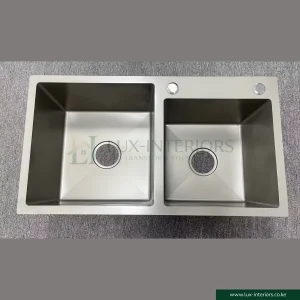
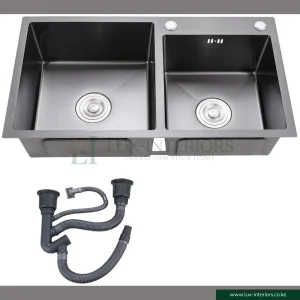
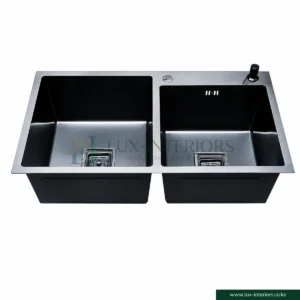
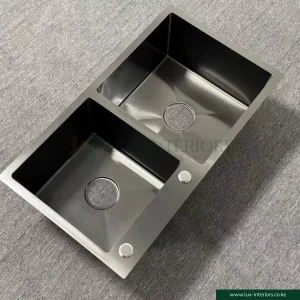
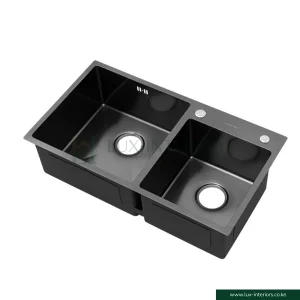
Double Bowl Sinks
The classic split. One side is typically used for soaking or washing, while the other is for rinsing or drying.
This is an excellent choice for busy households where multiple people are preparing food simultaneously.
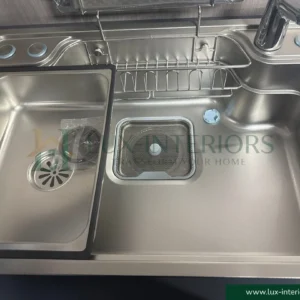
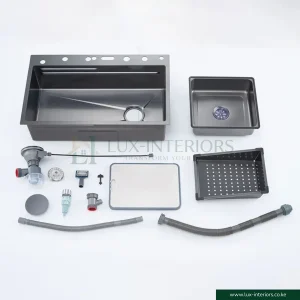
Workstation Sinks
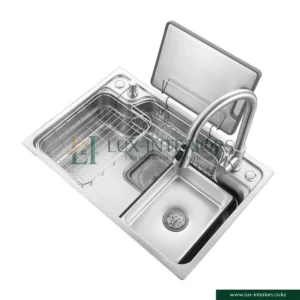
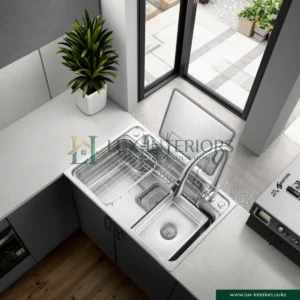
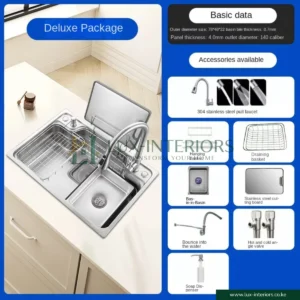
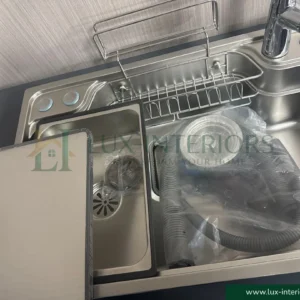
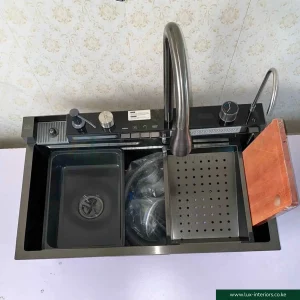
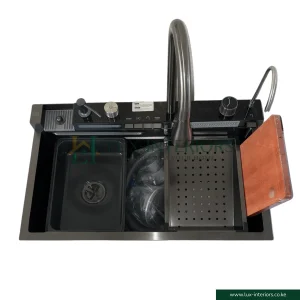
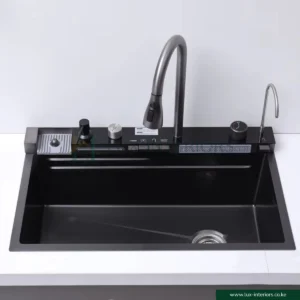
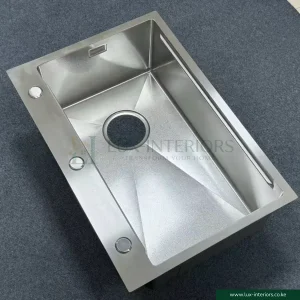
The pinnacle of kitchen efficiency. Workstation sinks feature integrated ledges that allow you to slide accessories—like cutting boards, colanders, and drying racks—directly across the sink.
This effectively turns your sink into an additional prep area.
Matching Your Sink with Your Interior Design
A premium sink should not exist in a vacuum; it must harmonize with the rest of your interior.
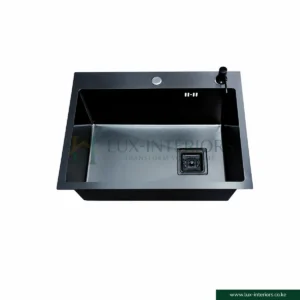
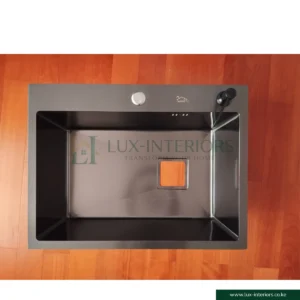
If you have opted for a bold, dark granite composite sink, consider balancing the room with bright, high-end illumination.
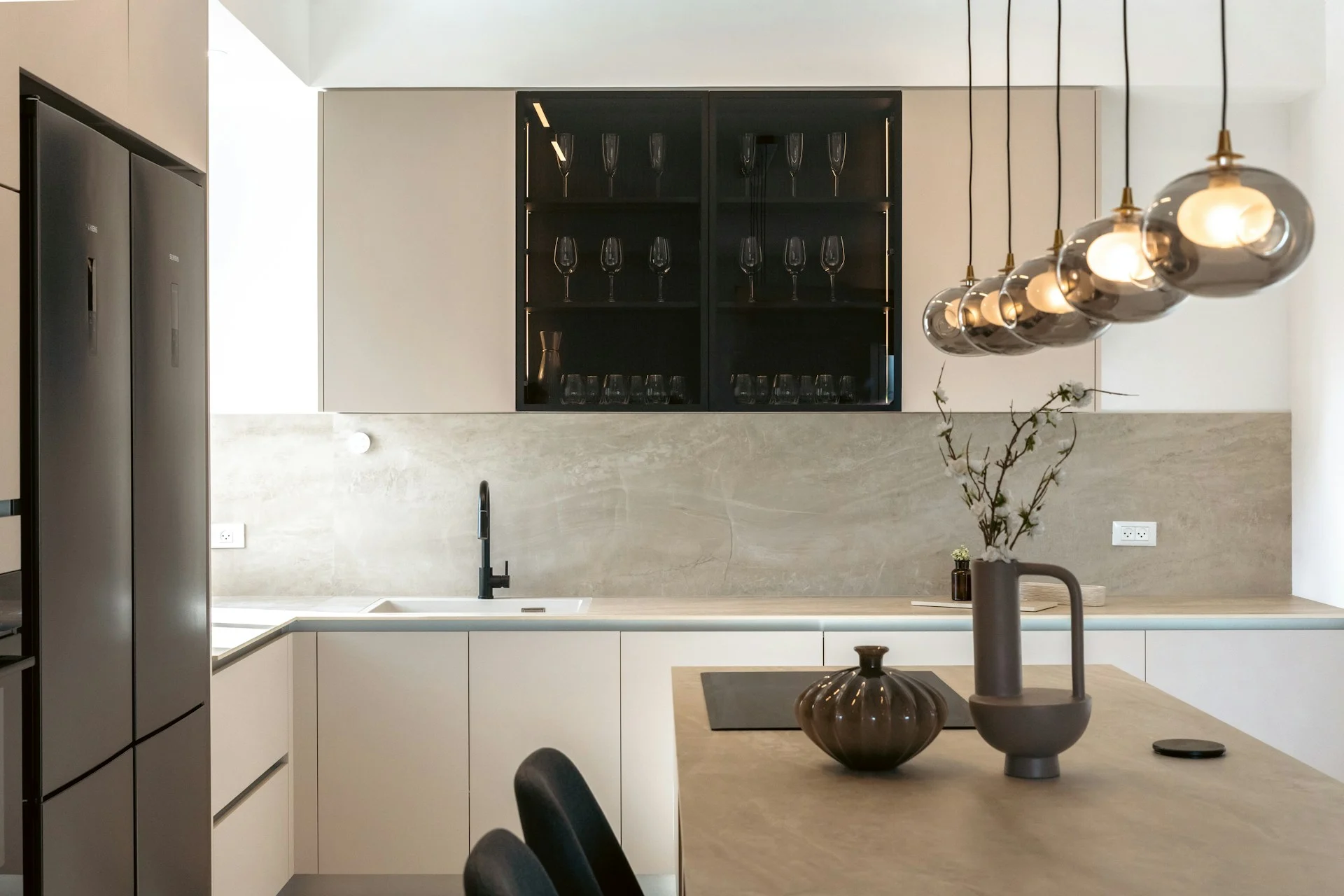
Strategic lighting, such as focused Ceiling Lights or an elegant Chandeliers over the kitchen island, ensures that your workspace is functional while highlighting the premium textures of your fixtures.
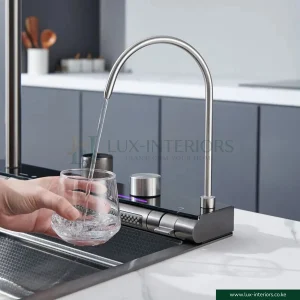
Pair your sink with a high-arc professional tap to complete the luxury aesthetic and ensure ease of use when filling deep pots.
Conclusion
Choosing the right kitchen sink is about more than just picking a style from a catalog; it is about understanding your cooking habits, your water quality, and your long-term design goals.
From the seamless luxury of an undermount quartz installation to the rugged efficiency of a workstation sink, the right choice enhances both the value of your home and the joy of cooking.
Frequently Asked Questions
- Which sink material is best for hard water?
Granite composite sinks are generally best for hard water areas, as their matte finish and color variety hide mineral deposits and limescale better than polished stainless steel or white ceramic. - Are undermount sinks harder to clean?
On the contrary, undermount sinks are often easier to clean because you can wipe the countertops directly into the basin without navigating a raised lip or rim. - What is the ideal depth for a kitchen sink?
For most Kenyan households, a depth of 200mm to 250mm is ideal. This provides enough room for large pots while preventing excessive leaning, which can cause back strain. - Can I install a farmhouse sink in an existing kitchen?
Yes, but it usually requires modifying the base cabinetry to support the weight of the sink and to create the opening for the apron front. - How do I prevent scratches in a stainless steel sink?
Using a plastic or silicone drying mat and avoiding abrasive steel wool scrubbers will help maintain the finish. Periodic polishing with a specialized stainless steel cleaner also keeps the luster intact.











 No products in the cart.